
Introduction
The temporomandibular joint (TMJ) is the synovial joint between the mandible with the temporal bone of the cranium. There are 2 joints (1 on each side) and they work bilaterally in unison. The TMJ allows depression and elevation, protraction and retraction and also side to side movements of the mandible. Analysis of these movements is one of the most commonly used methods of diagnosis in many fields of medicine and dentistry.
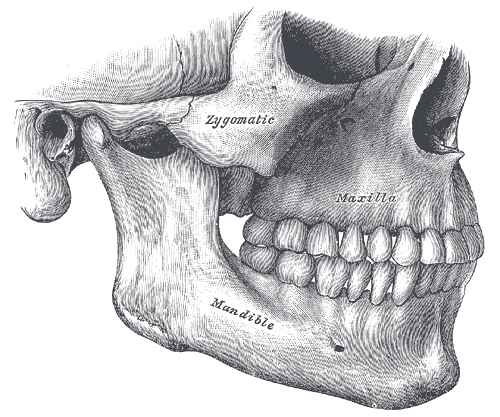
The TMJ can undergo a lot of pressure and stress in humans due to our constant use of the jaw for speaking, eating etc. This can cause wear and damage leading to temporomandibular joint dysfunction which can cause sever pain.
News
Appeal court tosses class actions over jaw, breast implants
30/09/2008 19:36
TORONTO — The Ontario Court of Appeal has tossed out a class action against the federal government...
>>
———
The New York Times
15/09/2008 12:00
Misdiagnosis of TMD is often caused by the fact that patients are feeling pain...
>>
———